
The Lifecycle of Warehouse Equipment: When to Buy, Repair, or Replace

Warehouse equipment is one of the largest investments in any distribution center, manufacturing facility, or 3PL operation. From pallet racking systems and forklifts to batteries, chargers, and material handling equipment, every asset has a lifecycle. Understanding when to buy, repair, or replace warehouse equipment can significantly impact your operational efficiency, safety, and bottom line.
Making the wrong decision can lead to costly downtime, safety risks, and unnecessary capital expenditures. In this guide, we'll help you determine the best course of action for maximizing the value of your warehouse assets.

Understanding the Warehouse Equipment Lifecycle
Every piece of warehouse equipment follows a predictable lifecycle:
-
Acquisition
-
Daily Operation
-
Maintenance & Repairs
-
Performance Decline
-
Replacement or Upgrade
The goal is to extend the useful life of your equipment while maintaining productivity and workplace safety. Regular inspections and preventative maintenance can delay replacement, but eventually every asset reaches a point where repairs are no longer cost-effective.

When Should You Buy New or Used Warehouse Equipment?
Purchasing equipment should be based on operational needs rather than reacting to equipment failures.
Consider buying when:
-
Your business is expanding rapidly.
-
Storage capacity is insufficient.
-
Equipment downtime is increasing.
-
New customer demands require additional capabilities.
-
Safety regulations require upgraded systems.
Many warehouse operators are discovering that high-quality used pallet racking and pre-owned material-handling equipment offer significant savings without sacrificing performance.
Used warehouse equipment can often reduce acquisition costs by 30% to 70% compared to buying new. This allows companies to maximize their budgets while maintaining operational efficiency.

Benefits of Buying Used Warehouse Equipment
-
Lower upfront investment
-
Faster availability
-
Proven performance history
-
Sustainable and environmentally friendly
-
Ideal for warehouse expansions and relocations
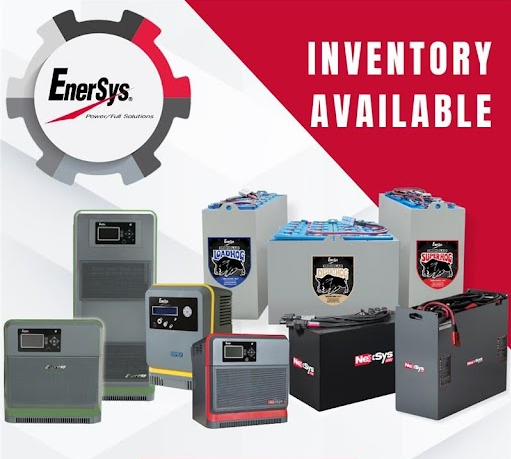
At Warehouse Buyers Club, businesses can find quality used pallet racking, forklifts, batteries, chargers, mezzanines, shelving systems, and other warehouse equipment at competitive prices.

When Does Repairing Equipment Make Sense?
Repairing warehouse equipment is often the most cost-effective solution when the issue is isolated and does not compromise safety or productivity.
Repairs are typically recommended when:
-
Repair costs are less than 30% of replacement costs.
-
Equipment still has several years of useful life remaining.
-
Replacement parts are readily available.
-
Downtime can be minimized.
-
The equipment continues to meet operational requirements.
For example, replacing damaged pallet rack components, repairing forklift batteries, or servicing chargers can often restore performance at a fraction of the cost of purchasing new equipment.
However, repeated repairs can become a warning sign that replacement should be considered.

Signs It's Time to Replace Warehouse Equipment
Eventually, every warehouse asset reaches the end of its useful life.
Watch for these warning signs:
1. Frequent Breakdowns
If equipment requires constant repairs, maintenance costs can quickly exceed its value.
2. Rising Maintenance Expenses
When annual repair costs continue increasing year after year, replacement may be more economical.
3. Reduced Productivity
Older equipment often operates slower and less efficiently, impacting throughput and labor productivity.
4. Safety Concerns
Damaged racking, aging forklifts, and unreliable equipment create significant workplace hazards.
5. Obsolete Technology
Modern equipment often includes enhanced safety features, energy efficiency, and improved operational capabilities.
Replacing outdated assets can improve efficiency, reduce operating costs, and enhance employee safety.
How to Calculate the Buy, Repair, or Replace Decision
A simple approach is to evaluate:
-
Current equipment age
-
Annual maintenance costs
-
Expected remaining lifespan
-
Impact on productivity
-
Safety risks
-
Replacement costs
If repair costs exceed 50% of replacement value and the equipment is nearing the end of its expected lifecycle, replacement is often the smarter investment.
Conversely, if equipment remains reliable and repair costs are manageable, extending its service life can maximize your return on investment.
Warehouse 101 Pro Tip
Don't wait for equipment failure to make a decision.
Create a preventative maintenance schedule and perform routine inspections on pallet racking, forklifts, batteries, chargers, and material handling systems. Tracking maintenance costs over time helps identify when equipment is transitioning from a repair candidate to a replacement candidate.
Proactive planning prevents costly emergencies, minimizes downtime, and keeps your warehouse operating safely and efficiently.
Final Thoughts
Managing the lifecycle of warehouse equipment is essential for controlling costs and maintaining operational excellence. The key is understanding when an asset provides value and when it becomes a liability.
Buying strategically, repairing intelligently, and replacing at the right time can help warehouse operators improve productivity, maximize ROI, and create safer work environments.
Whether you're expanding your facility, upgrading storage systems, or replacing aging equipment, making informed decisions today can save thousands of dollars tomorrow.