
𝐔𝐬𝐞𝐝 𝐅𝐨𝐫𝐤𝐥𝐢𝐟𝐭𝐬 𝐢𝐧 2026: 𝐑𝐞𝐚𝐥 𝐂𝐨𝐬𝐭 𝐒𝐚𝐯𝐢𝐧𝐠𝐬 𝐟𝐨𝐫 𝐒𝐦𝐚𝐫𝐭 𝐖𝐚𝐫𝐞𝐡𝐨𝐮𝐬𝐞𝐬


As we move through 2026, the material handling industry continues to evolve at a rapid pace. Trade shows are packed with autonomous forklifts, advanced telematics, and electric models that look more like software platforms than warehouse equipment. It’s impressive technology—but for many warehouse operators, the real question isn’t what’s new, it’s what actually makes financial and operational sense.
At Warehouse Buyers Club, we see this conversation play out daily. While new equipment certainly has its place, one truth remains consistent in modern warehousing: the most expensive option is not always the smartest one. In fact, buying a high-quality used forklift in 2026 can be one of the most strategic decisions a warehouse can make.
Let’s take a closer look at the real, tangible savings—and why impact-driven decision-making matters more than ever.
1. Avoiding the Forklift Depreciation Cliff
New forklifts depreciate quickly. In 2026, a brand-new forklift can lose 20% to 25% of its value as soon as it enters service. Nothing is wrong with the machine—this is simply how capital equipment behaves in the market.
Buying used allows you to bypass that initial depreciation hit. The steepest value drop has already occurred, meaning your investment holds steadier over time. From a business standpoint, that translates to faster ROI and stronger resale value if your operation changes or expands in the future.
Warehouse 101 – Pro Tip:
Know how many hours per day you run your equipment. Making sure employees rotate equipment and do not overuse new or newer equipment is critical in managing long-term expenses.

2. Smarter Use of Upfront Capital
The price gap between new and used forklifts remains significant in 2026. New units often range from $25,000 to $100,000+, depending on capacity, fuel type, and technology. Quality used forklifts typically cost 30% to 50% less.
That difference isn’t just a line item—it’s working capital. For growing warehouses, that saved capital can be redirected into higher-impact areas such as:
-
Adding an additional forklift to reduce congestion
-
Upgrading pallet racking to improve vertical space
-
Investing in warehouse management software (WMS)
-
Improving dock efficiency or safety infrastructure
Warehouse 101 – Pro Tip:
One forklift operating efficiently is good. Two forklifts eliminating bottlenecks is better. Sometimes the smartest move is buying more capability, not newer capability.
3. Immediate Availability Beats Long Lead Times
Although supply chains have improved, new forklifts in 2026—especially custom builds—can still come with lead times of several months. For fast-moving environments like 3PLs, e-commerce fulfillment, or seasonal operations, waiting isn’t just inconvenient—it’s expensive.
Used forklifts are available immediately. That means faster deployment, quicker productivity gains, and fewer workarounds while you wait for equipment to arrive.
Warehouse 101 – Pro Tip:
Every month you delay equipment is a month of lost efficiency. Availability should always be part of the cost calculation—not just the purchase price.

4. Right-Sized Technology for Real Operations
Modern forklifts are increasingly complex. Advanced sensors, proprietary software, and integrated systems can be valuable—but they also increase service costs and downtime when repairs require specialized technicians.
Many warehouses find that forklifts from the last 5 to 10 years provide the ideal balance: proven safety features, dependable performance, and simpler maintenance. Operators already know how to use them, and local service teams can keep them running.
Warehouse 101 – Pro Tip:
Technology should support productivity, not slow it down. If a repair requires a software login and a service contract, make sure the benefit truly outweighs the cost.

How Warehouse Buyers Club Helps You Buy Used Forklifts with Confidence
Buying used forklifts doesn’t mean taking a risk—it means making an informed decision with the right partner.
At Warehouse Buyers Club, we go beyond simply selling equipment. We help businesses choose forklifts that actually fit their operation, budget, and long-term goals.
Here’s how we help:
-
Needs-Based Equipment Matching
We evaluate your application, warehouse layout, load requirements, and usage patterns to recommend the right forklift—not the most expensive one. -
Transparent Equipment Sourcing
Our used forklifts are carefully inspected, with clear histories and no hidden surprises. What you see is what you get. -
Expert Guidance on Power & Performance
Whether electric or internal combustion makes more sense depends on your facility, energy costs, and duty cycle. We help you make that decision with real-world insight. -
Complete Material Handling Solutions
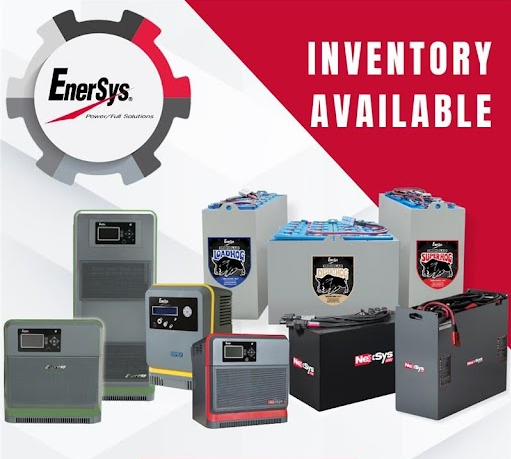
From forklifts to batteries, chargers, and accessories, we ensure everything works together to reduce downtime and total cost of ownership.
Warehouse 101 – Pro Tip:
The real value isn’t just buying used—it’s buying used correctly. A trusted supplier makes all the difference.
The Bottom Line
In 2026, the smartest warehouse decisions are grounded in efficiency, impact, and long-term thinking. Choosing a high-quality used forklift isn’t about cutting corners—it’s about allocating resources responsibly.
By avoiding rapid depreciation, improving capital efficiency, reducing lead times, and selecting right-sized technology, warehouses can stay competitive without overspending. That’s not just good operations—it’s good leadership.
And in today’s environment, leadership is about making decisions that work today and still make sense tomorrow.